Turning a relationship-selling framework into a character-led primer that lifts the blended sales training programme
Most sales training spends its first hours teaching the theory, which means the expensive part, a trainer and a room full of agents, is taken up explaining concepts rather than helping people practise them.
Our client has a rich relationship-building framework to teach their agents, the Emotional Bank Account, and a strong physical training programme to bring it to life. The two were colliding: too many concepts to cover and too little time left for the coaching and role-play that actually change behaviour.
We built the warm-up. Three short, self-paced micro-modules teach the concept before the agents enter the room, allowing the session to focus directly on practice.
What We Brought
Strategy: Blended-learning design, audience and content analysis, and sequencing the digital pre-work against the in-person programme, developed in close collaboration with the client's lead sales trainer.
Design: Character design, art direction, custom illustration, UX/UI, and instructional design.
Craft: Scriptwriting and trilingual voice narration, interaction design, animation, and on-screen build.
The challenge: a concept worth teaching, and no room left to practise it
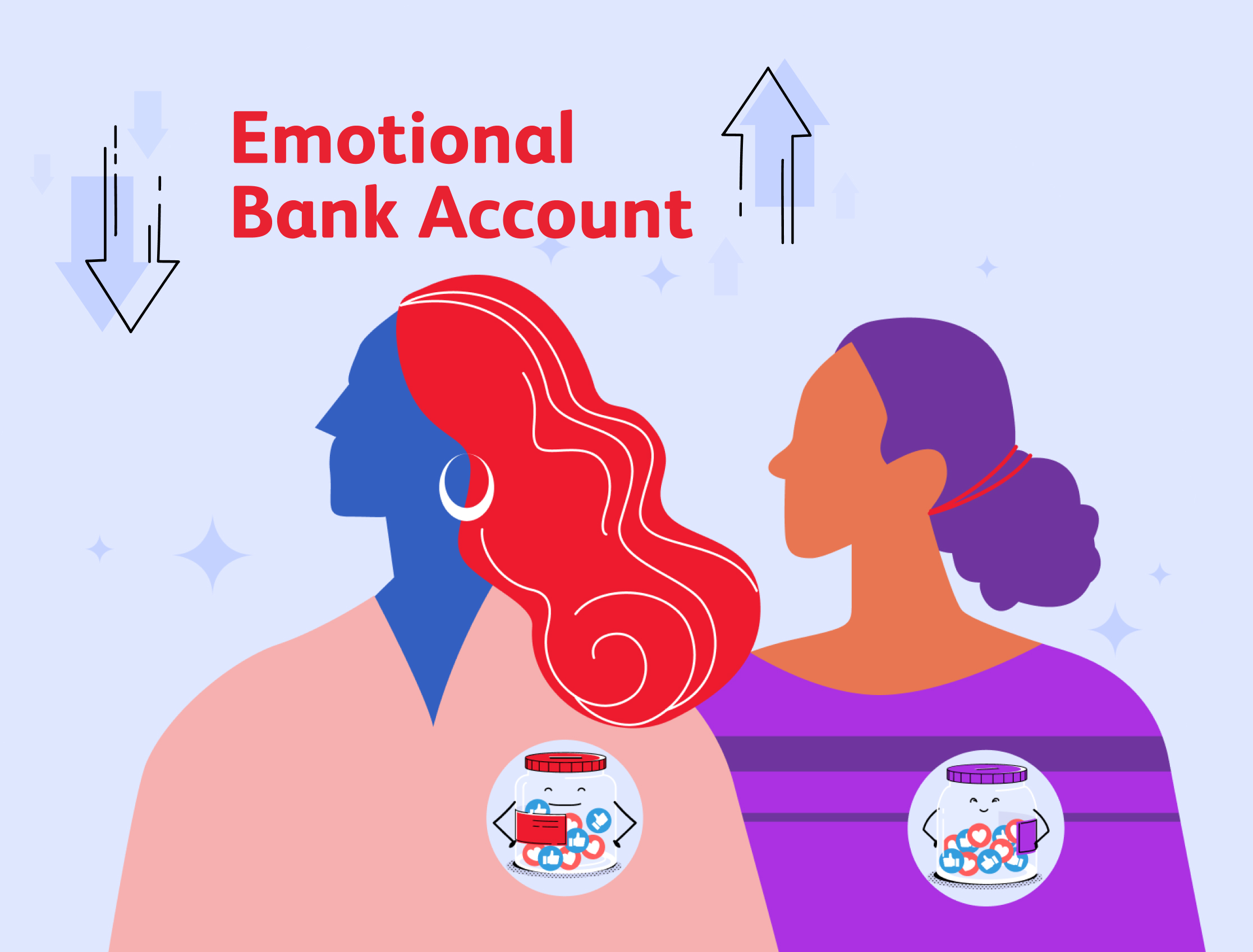
The Emotional Bank Account is a genuinely useful idea. It treats every client interaction as a deposit or a withdrawal, and it gives agents a clear mental model for building the kind of long-lasting, qualitative relationships that improve policy persistency. The framework has real depth: six distinct ways to make meaningful deposits, four categories of client relationship, and a four-stage model of how clients actually move through a buying decision.
That depth was the problem for the classroom. Covering it all from a standing start ate into the in-person time, and the in-person time is the valuable part, where agents practise the conversations, work through objections and apply the idea with a coach watching. Agents were arriving cold, so trainers had to teach the concept and coach the skill in the same few hours. Something has to give, and it is usually the practice that suffers.
A concept this layered needs to be understood before anyone can rehearse it. Asking agents to absorb the theory and apply it in one sitting makes it hard for them to do either well.
The solution: learn the concept first, in a world worth exploring
We split the framework into three focused micro-modules that agents complete on their own, ahead of the physical session:
Introduction to the Client's Emotional Bank Account, including the six ways an agent can make substantial deposits into a client relationship.
The Four Categories of Relationship, and how each one connects back to the Emotional Bank Account.
The Client's Buying Psychology Cycle, walking through the four stages a client passes on the way to a decision.
By the time agents reach the room, the vocabulary and the model are already in place. The session can open at the point that matters: practising, role-playing and applying the concept with a coach, rather than meeting it for the first time.
We built the modules hand in hand with the client's subject-matter expert, the sales trainer who runs the physical programme. That collaboration kept the digital pre-work faithful to the framework and made sure it set agents up for exactly what the trainer does next, so the two halves of the programme speak the same language.
A character that makes an abstract idea stick
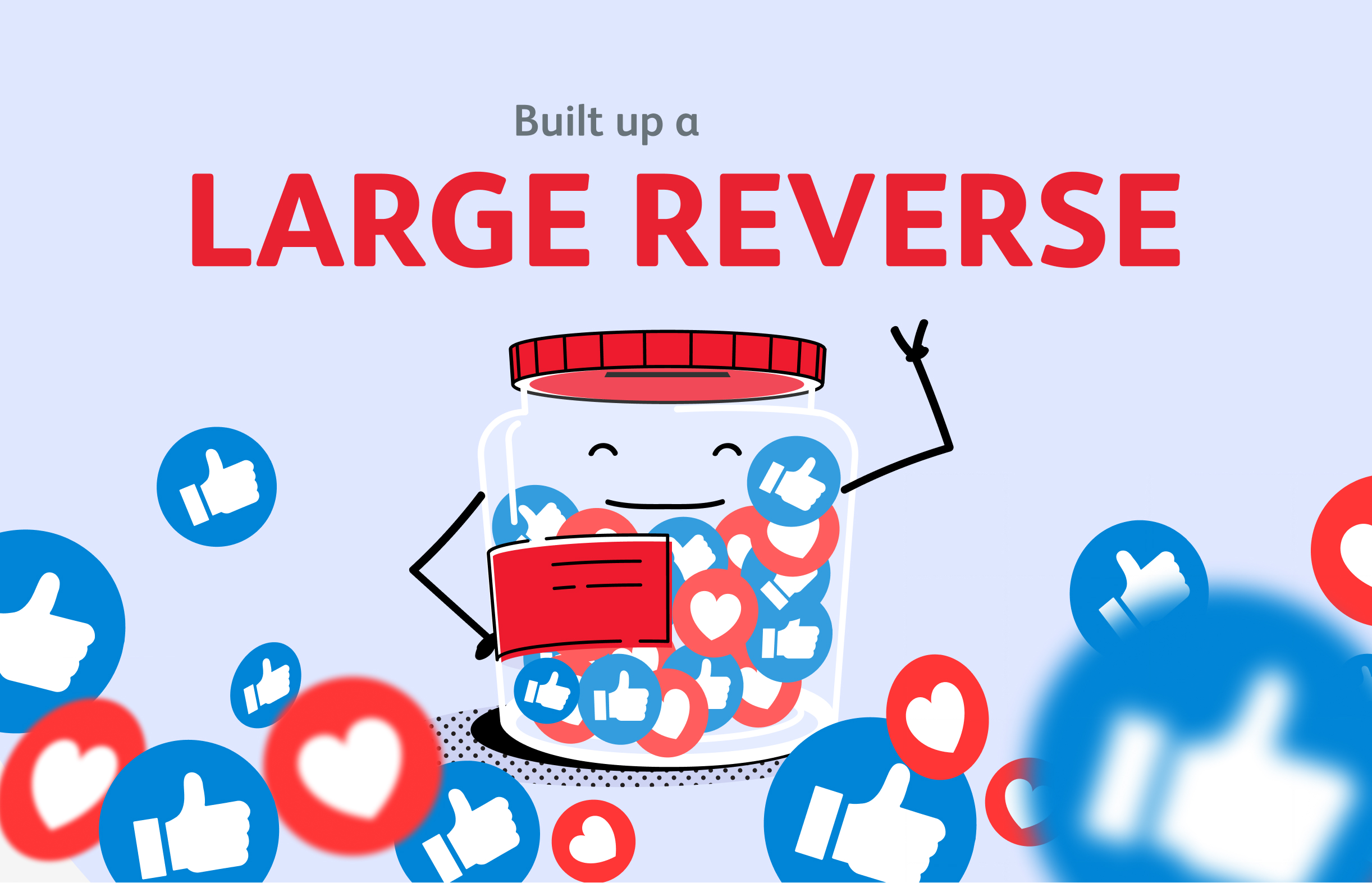
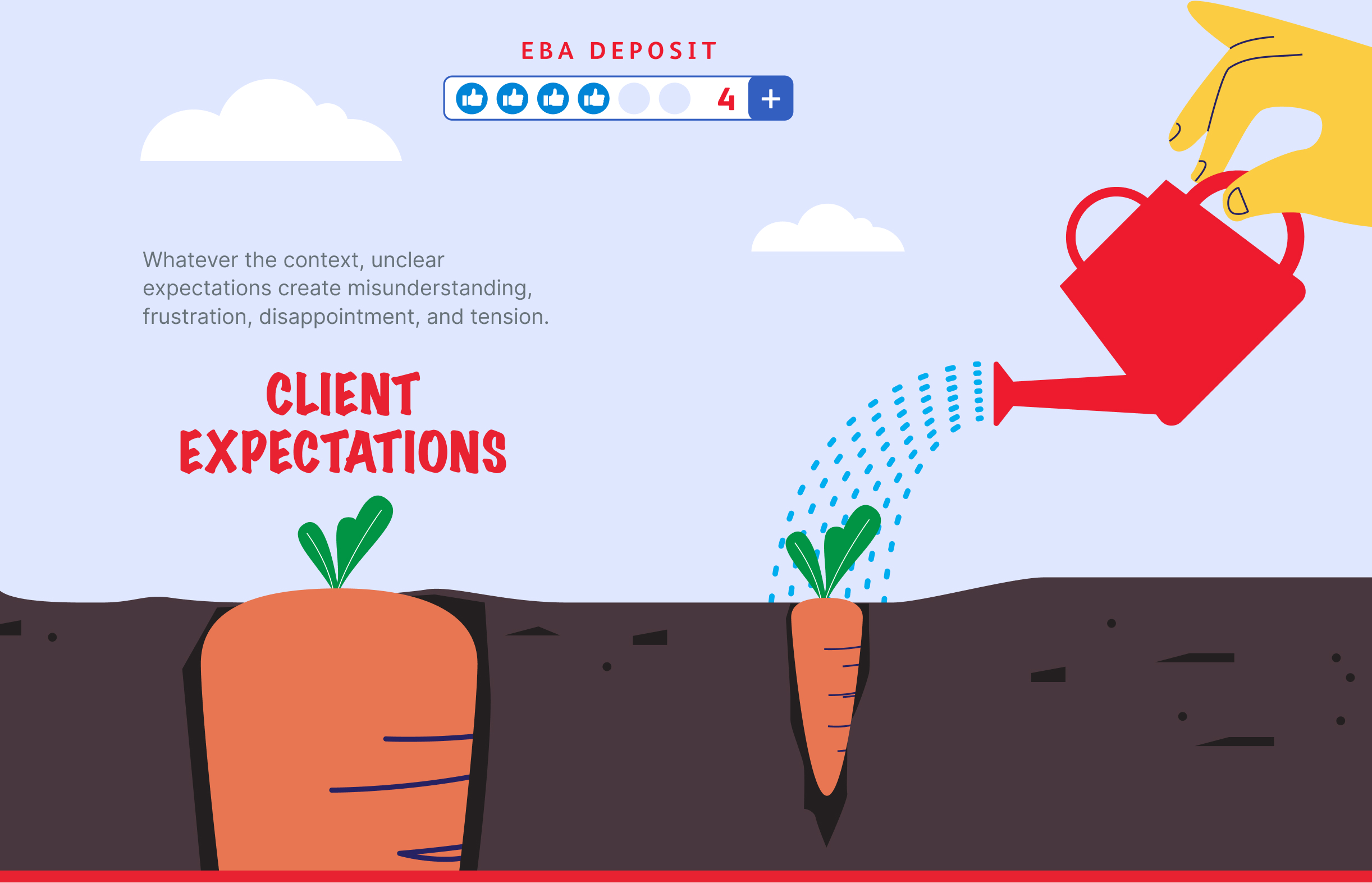
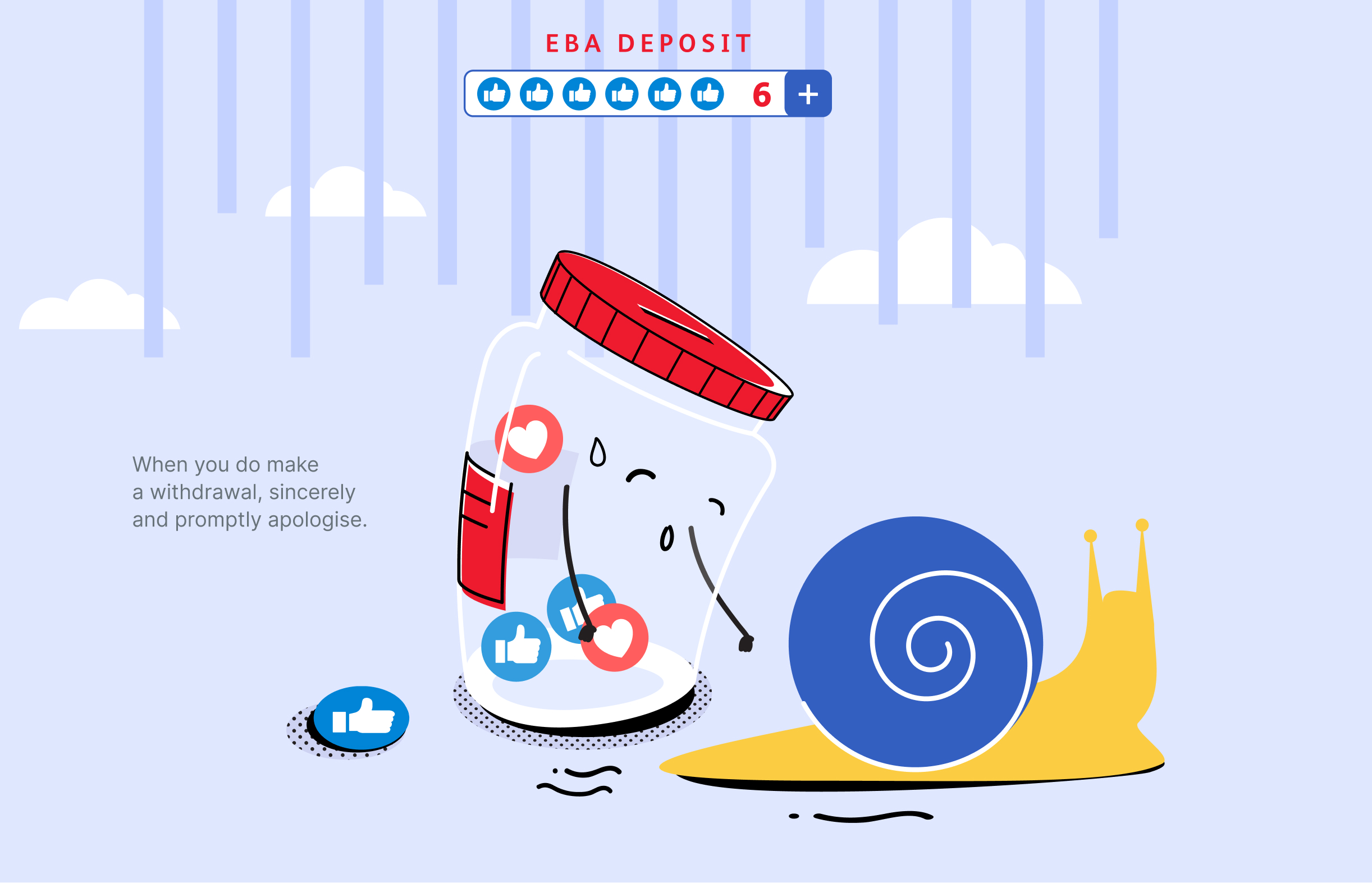
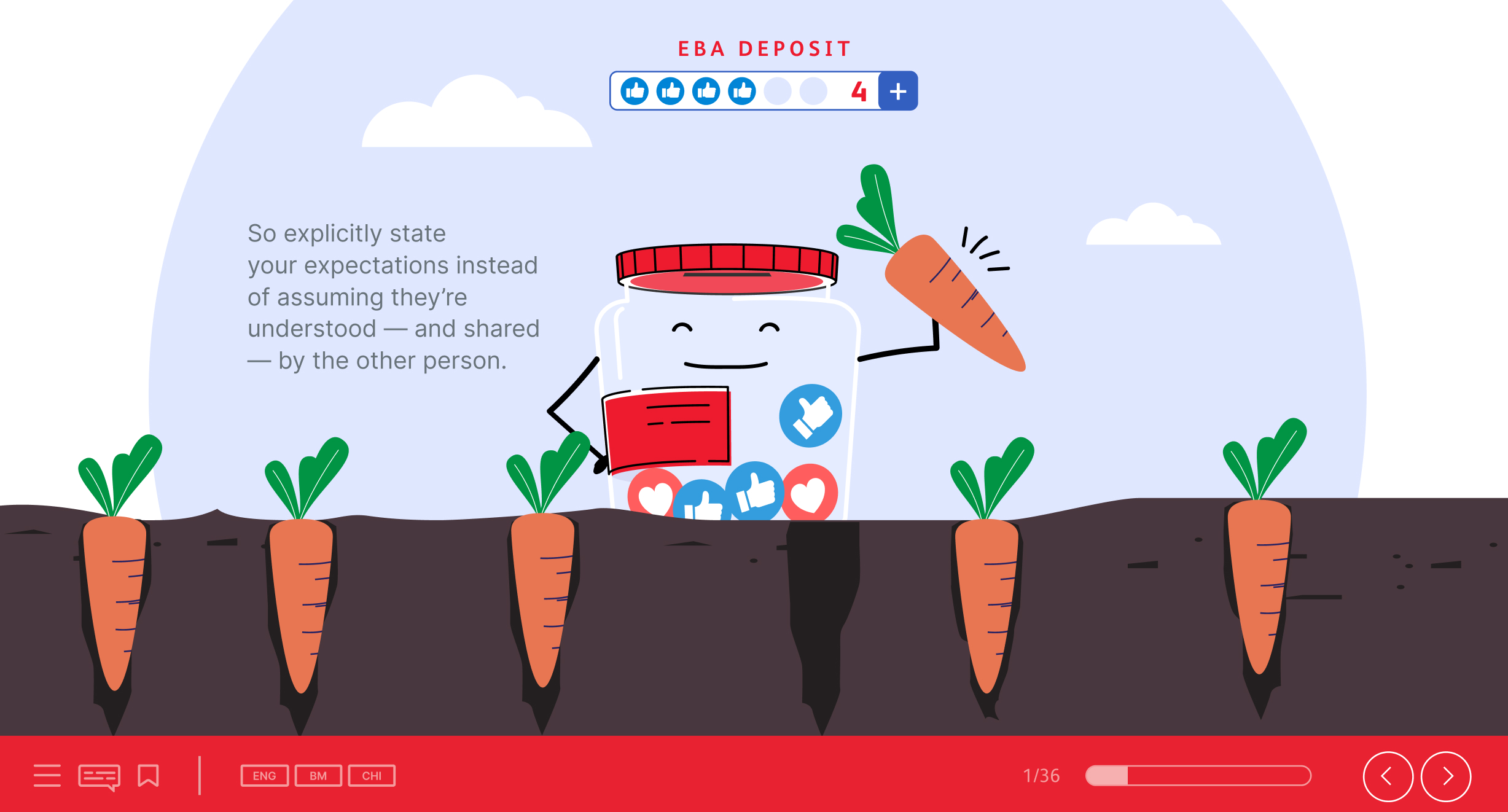
An "emotional bank account" is an abstraction, so we made it literal and gave it a face. The modules are led by a piggy-bank character who personifies the account itself, living inside a themed world of coins, deposits and vaults. Each lesson becomes a concrete moment in that world: taking a client to lunch, learning to apologise, keeping a promise, each one a visible deposit. The metaphor stops being a phrase agents are told to remember and becomes something they watch happen.
Built to engage, not just inform
The modules ask agents to do, not just to read. They open with a poll that challenges an assumption about trust, put choices in front of the learner and respond to them, pause for reflection moments, and close each topic with a quick test that checks the idea has landed. Narration runs in English, Bahasa Malaysia and Chinese, so the experience meets a diverse agency force in the language they think in.
The result is a primer that agents enjoy, finish, and arrive at ready to build on.
Why it works
Splitting a course into digital pre-work and in-person practice is a deliberate blended-learning move. It uses the self-paced modules for what screens do best, delivering and checking understanding of a concept at each agent's own pace, and it protects the classroom for what only a room and a coach can do, which is real practice and feedback.
Spacing the learning across two moments also helps it stick, and a themed, character-led world gives a dry framework the kind of hook that makes agents want to start.
That is the difference between commissioning production and commissioning learning design. Production would have made the existing slides look better. We changed where the learning happens, so we spend training time on the part that builds skill, not the part that explains it.
If your classroom training is losing its best hours to covering theory, a blended design can hand that time back. We would be glad to show you how.
We are here to help. Please feel free to reach out if you have any question or want to talk about how our solutions can address your digital learning needs.